

News
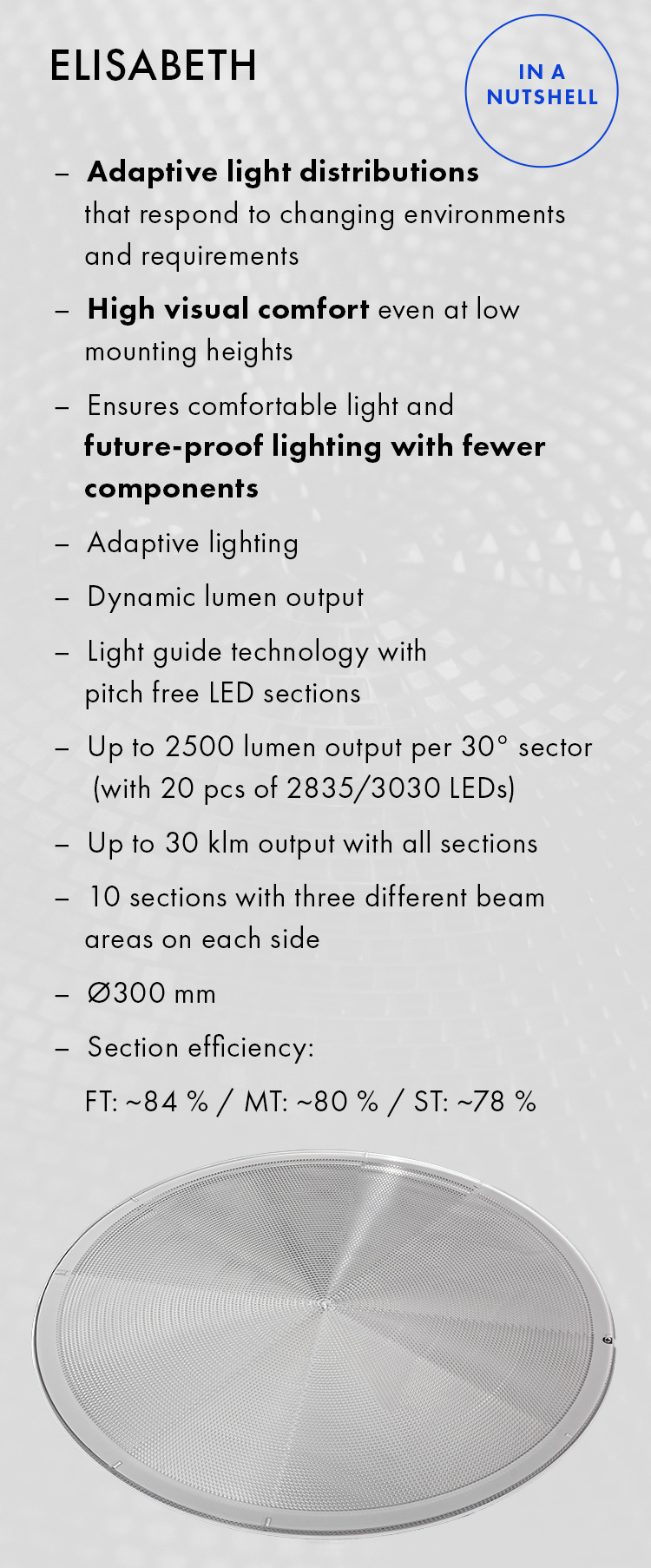
ELISABETH – Anything you can beam of
One lens. Multiple distributions. High visual comfort.
Imagine if the lighting around us could be truly dynamic. More adaptive to how we use different areas. Not only through power-level controls, but by shaping the beam pattern based on the activity around the luminaire.
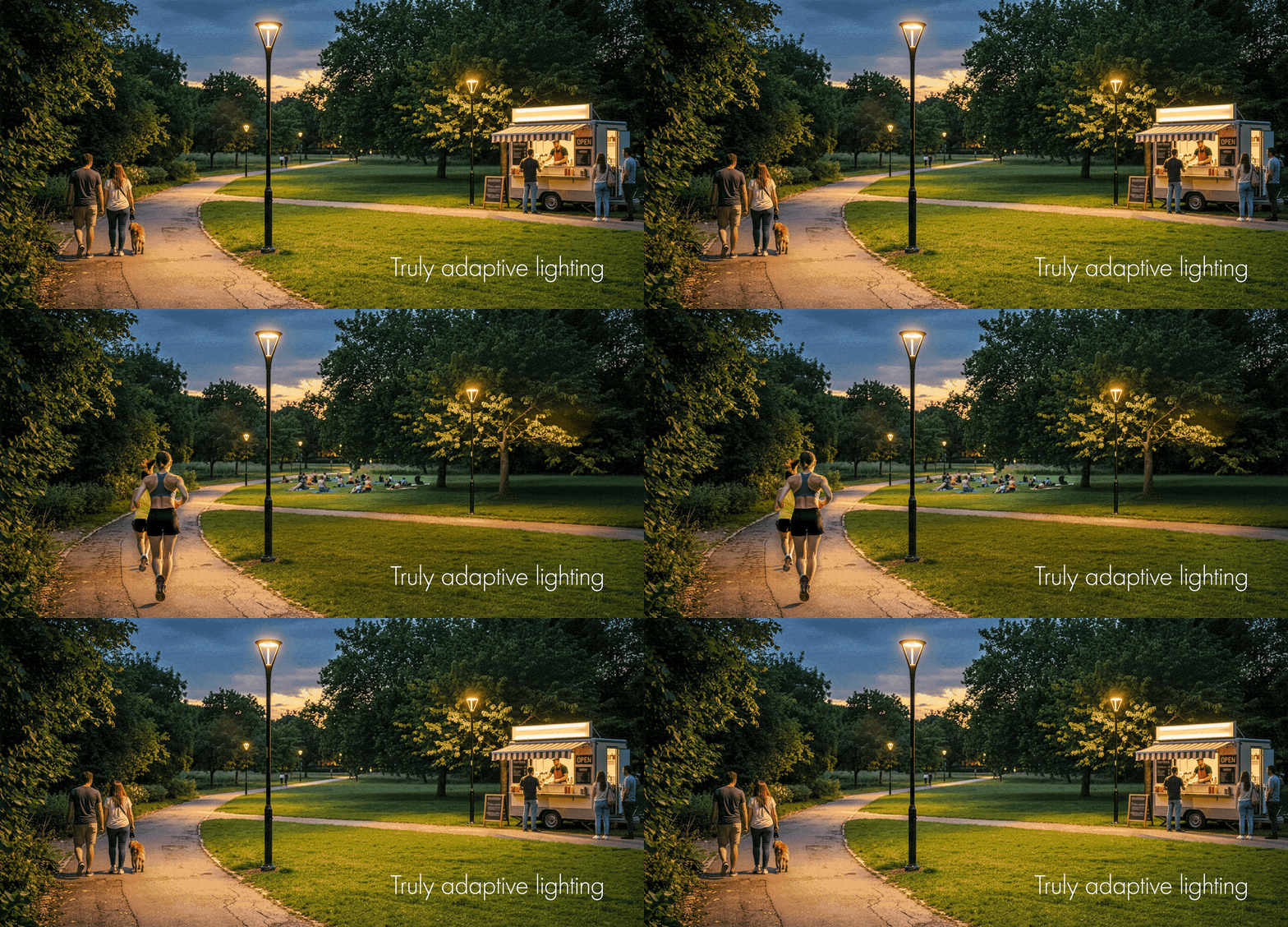
With just one lens.
This is ELISABETH
LEDiL’s new edge-lit lightguide optic, ELISABETH, opens up entirely new lighting possibilities with multiple light distributions from a single lens. By controlling different lens sections individually or together, one 300 mm lens can create truly adaptive smart lighting — not just dimming, but adapting the light distribution to different uses.
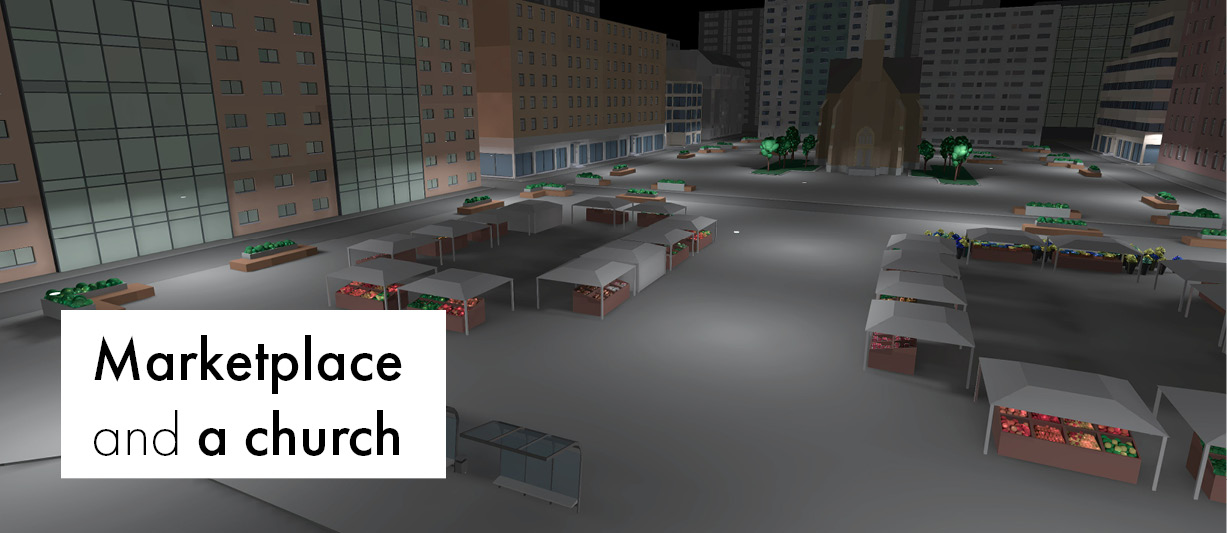
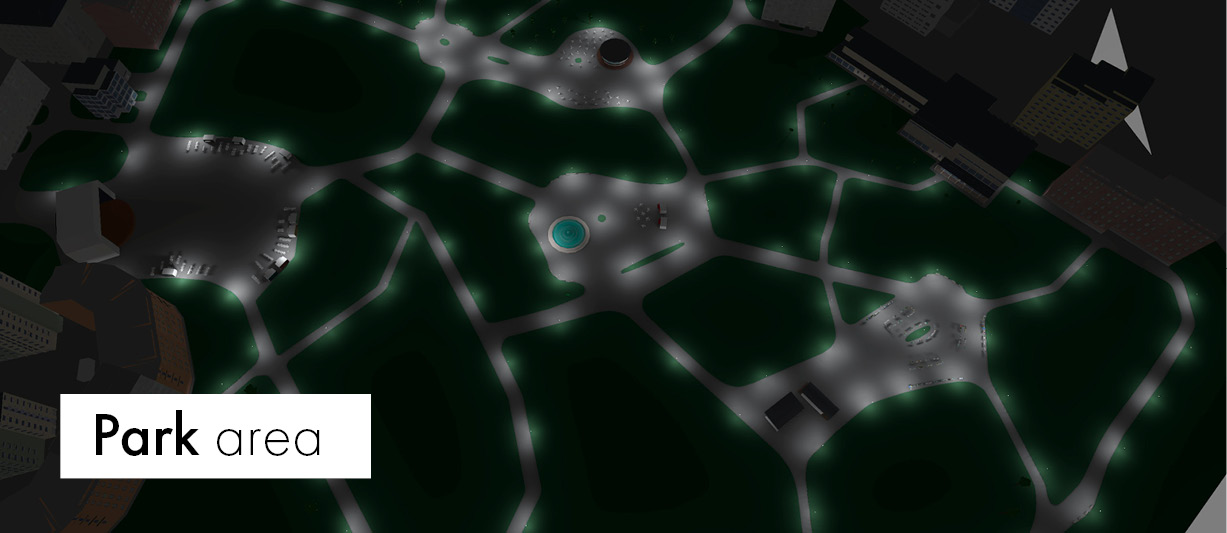
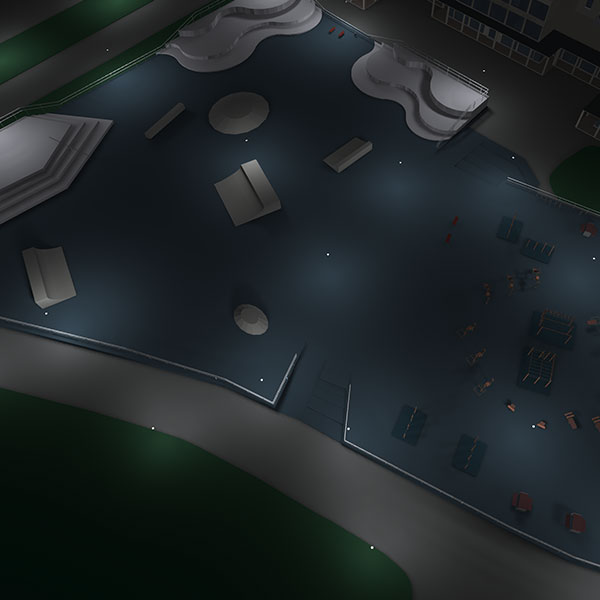
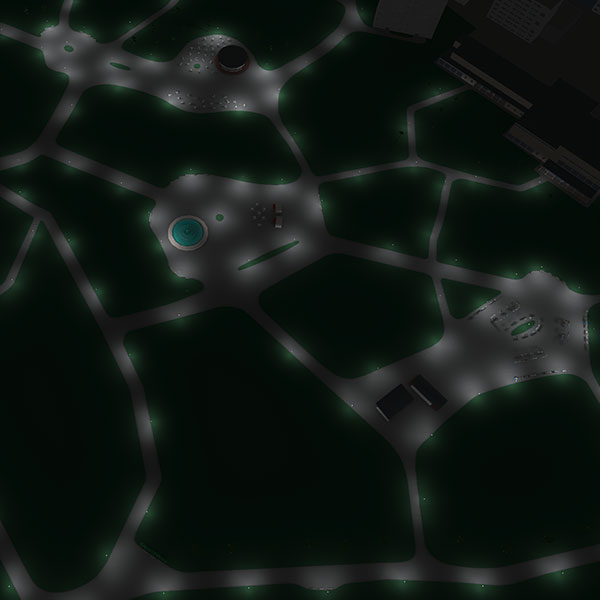
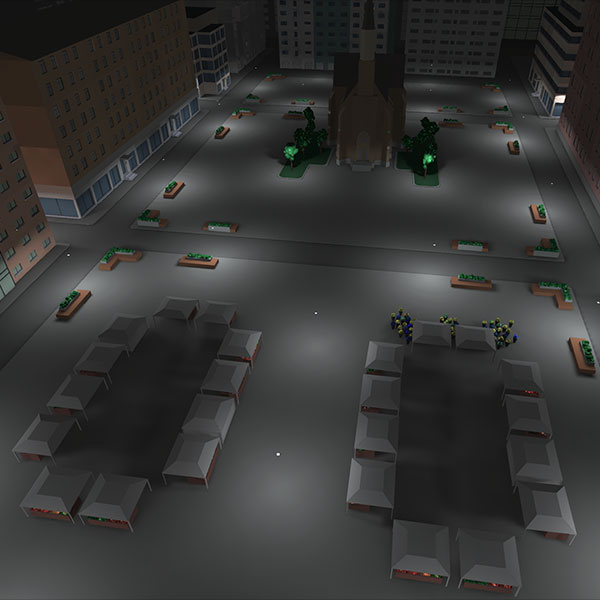
Parks, for example, can be many things at different times. They serve as a route home, a place to spend time or exercise, a marketplace or an event venue. And aiming the same amount of light in all directions at all times – is not smart.
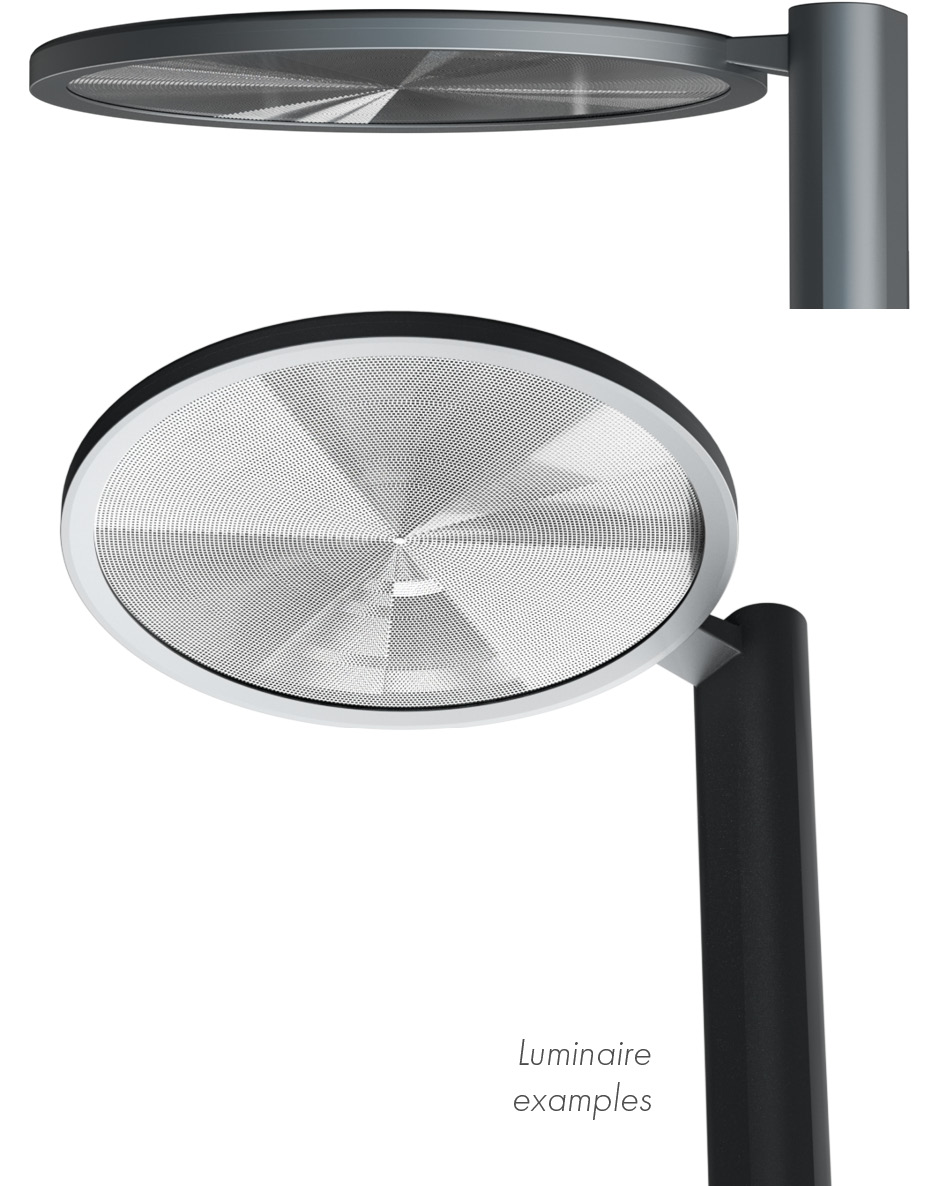

How does it work?
One ELISABETH lightguide lens has 10 sections, with three beam areas on each side: forward throw, medium throw and side throw. By activating these sections individually or in different combinations, the luminaire can dynamically change not only how much light it delivers, but also where the light goes.
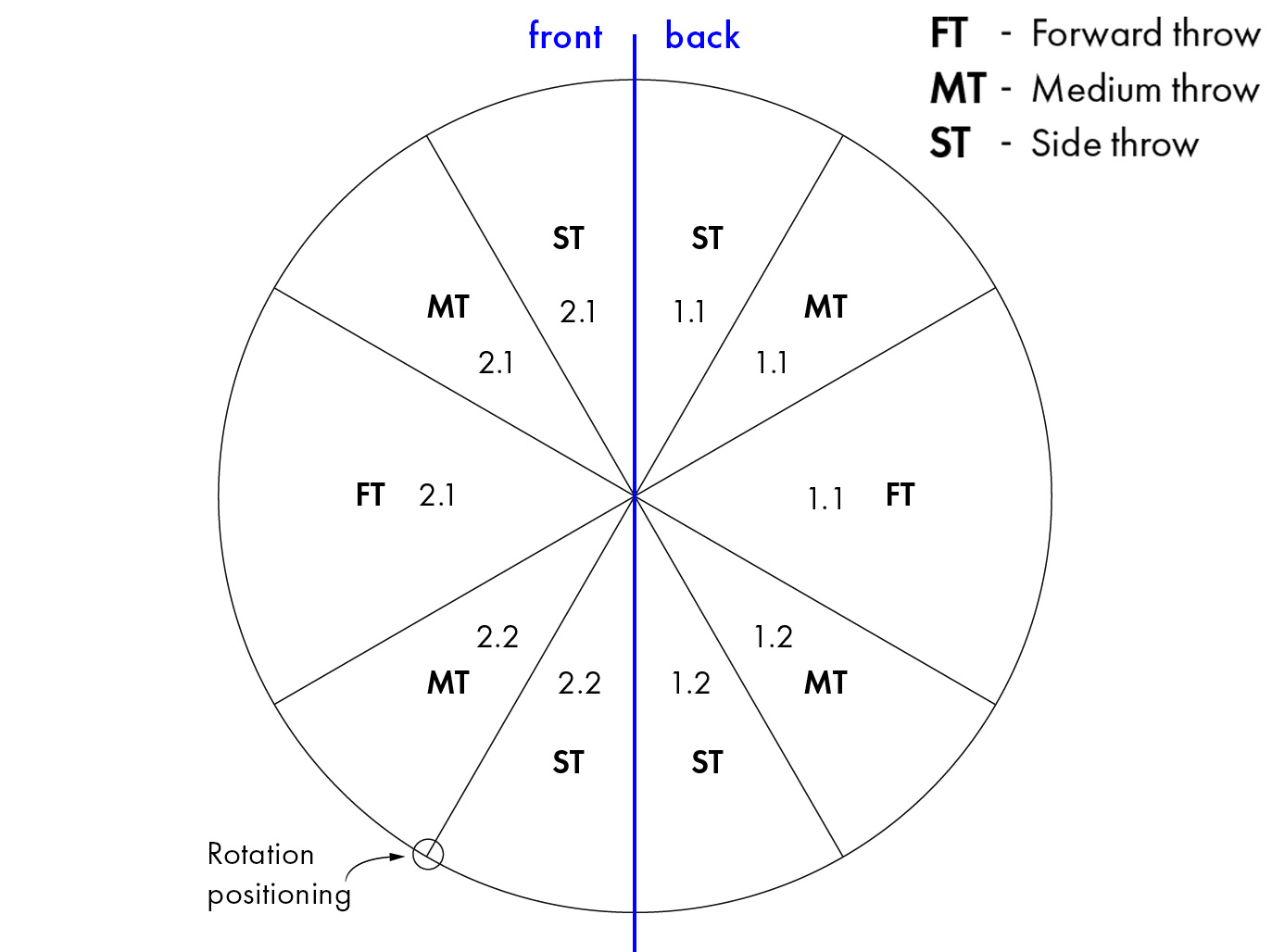
Each section is numbered for identification, making it easier to define which parts of the optic are active. For example, combinations can be specified as FT 1.1; FT 1.1 with MT 1.1 and 1.2; or MT 1.1, 1.2, 2.1 and 2.2.
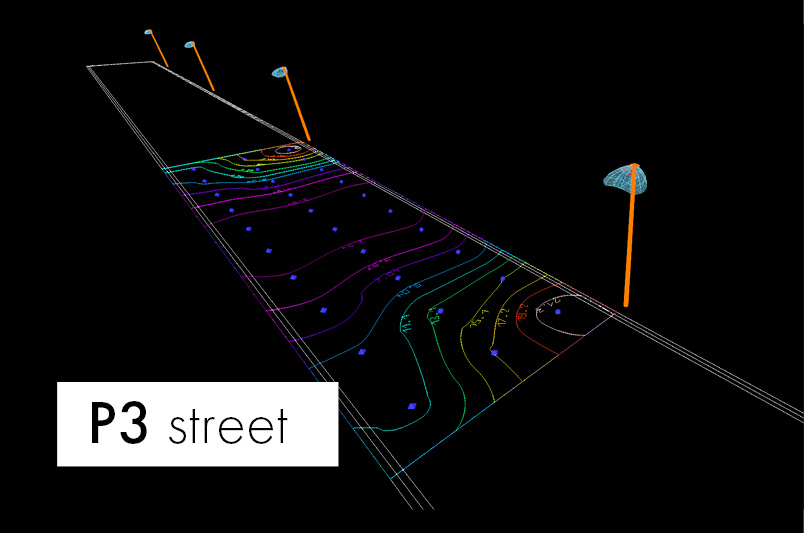
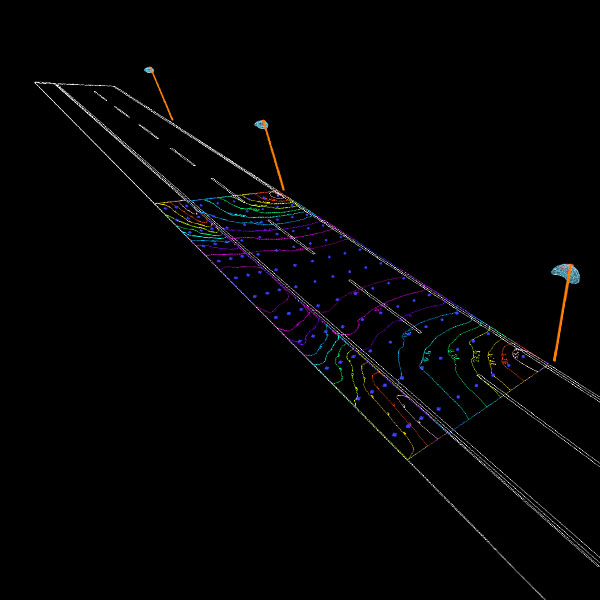
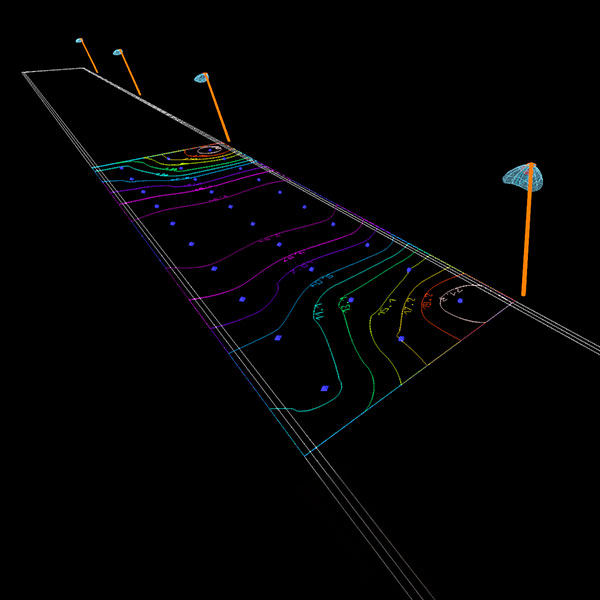
See a few beam examples in practice.
How to create a luminaire – an overview
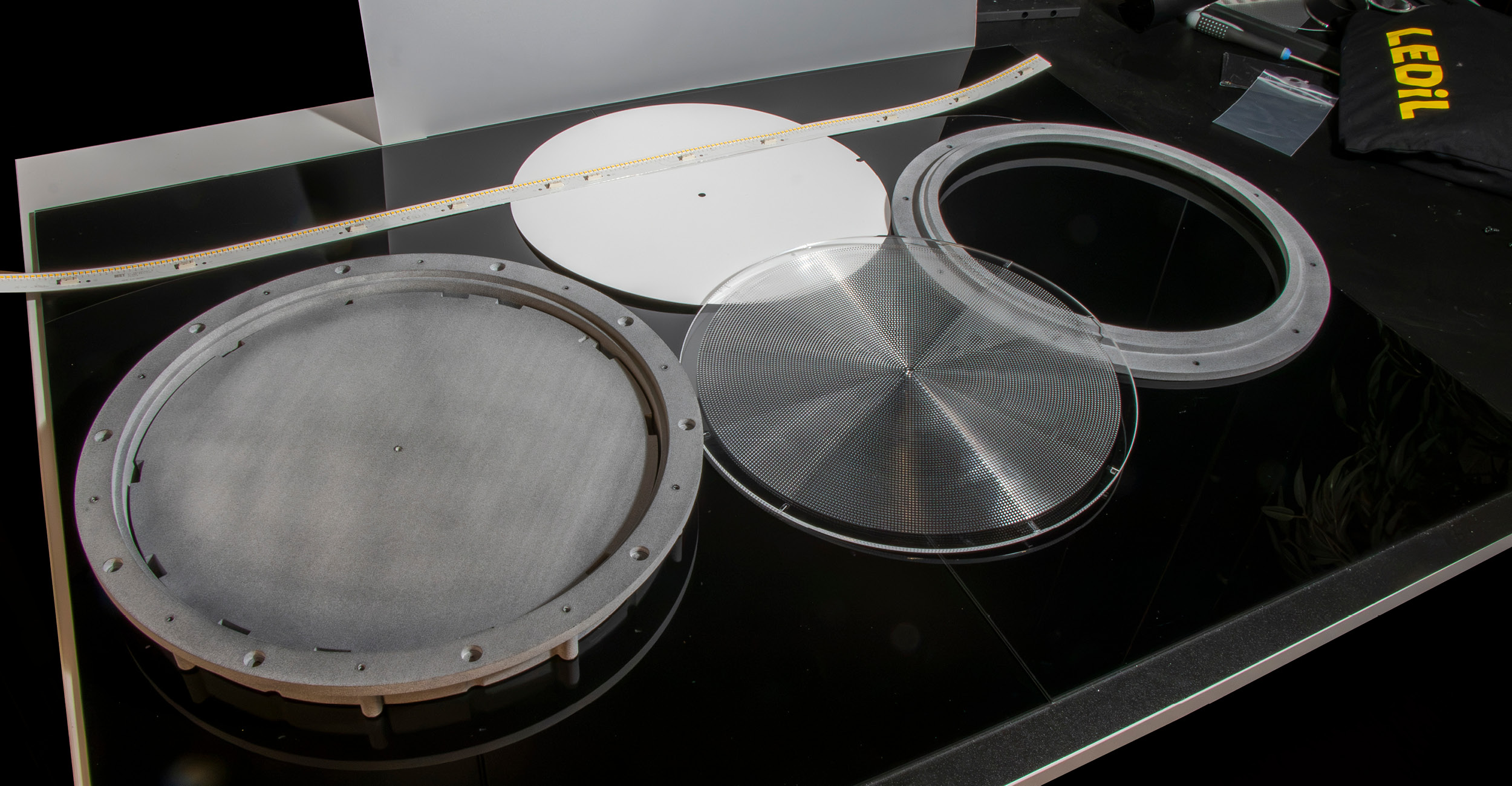
Creating a luminaire with ELISABETH starts with deciding how you want to use its different optical sections. The lens sits above a reflective sheet, while the PCB runs around the outer edge to feed light into the lens from the sides. Dedicated positioning features help align the components correctly.
The pitch-free design gives flexibility when creating the PCB and choosing the number of LEDs for each section. The LED centre should align with the lens centre, with a nominal LED-to-lens distance of 0.2 mm. ELISABETH is optimised for 2835 and 3030 LEDs and compatible with flat LED packages up to 3535.
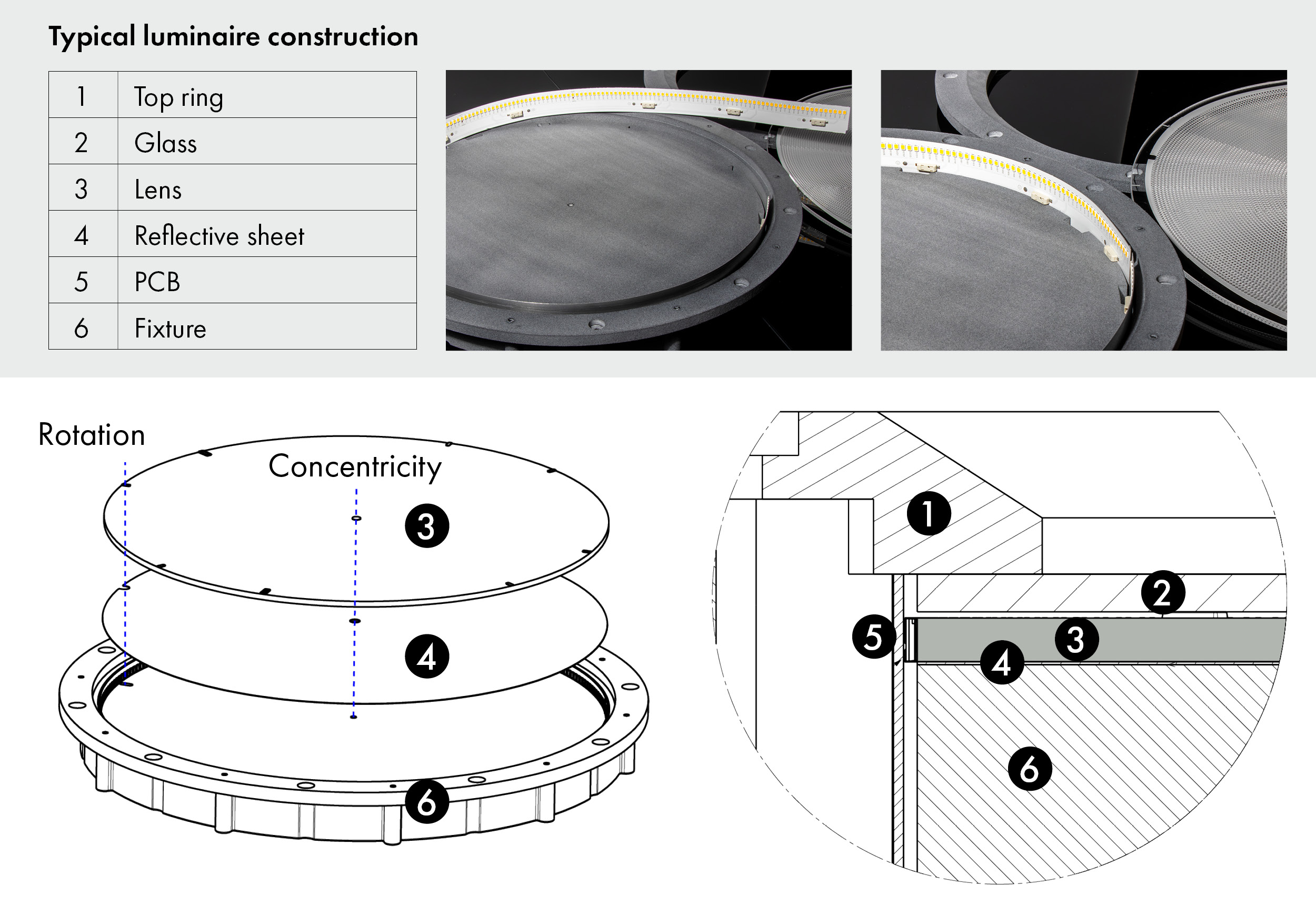
For optimal lens surface aesthetics, low ambient illumination across all sections is recommended. In practice, this has only a negligible effect on the overall light distribution.
See the full documentation at: ELISABETH 2D Drawing
One lens – for true smart lighting
If you have been investing in smart technologies and sensors to enable smart lighting, the lighting response usually goes only as far as dimming and energy savings. ELISABETH redefines what true smart lighting can be.
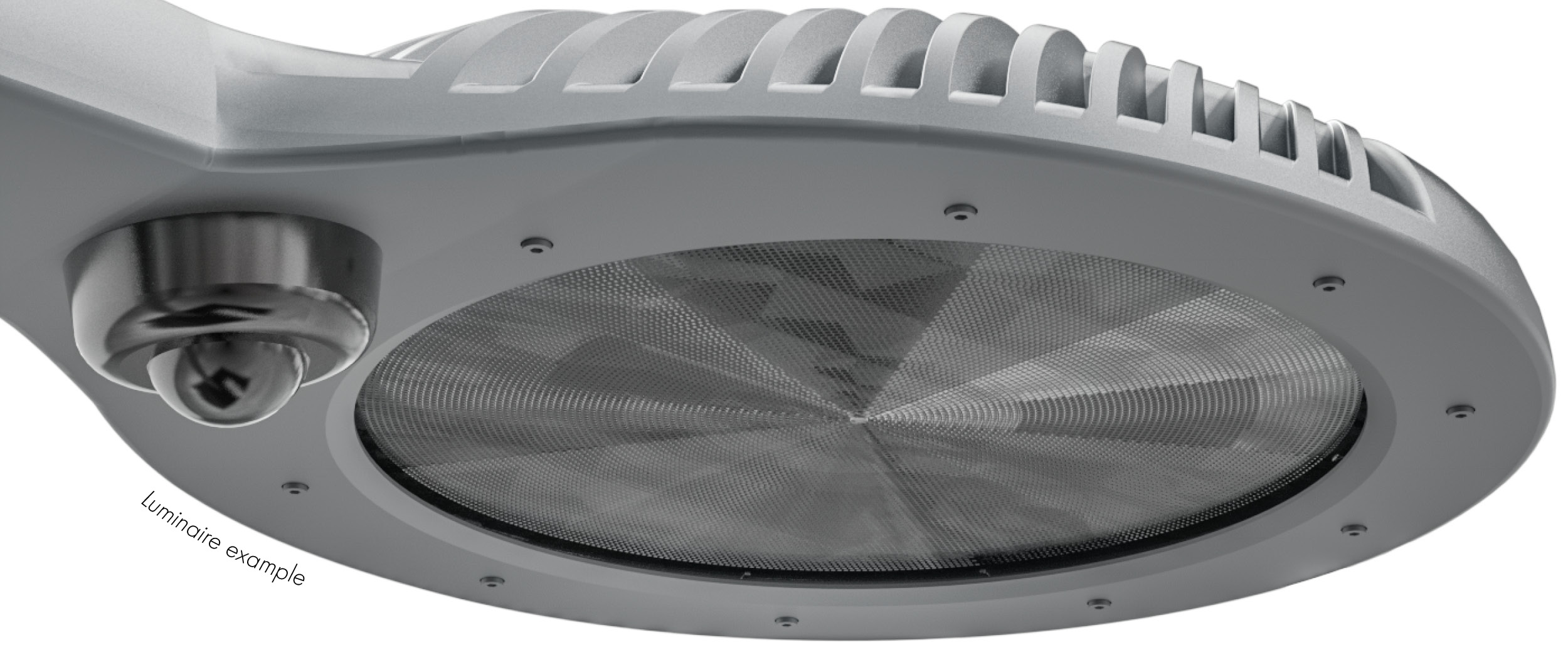
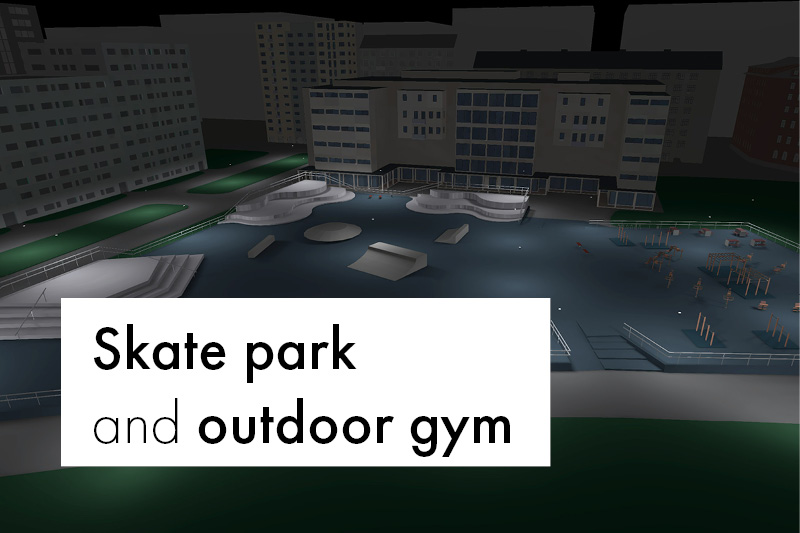
It gives the optical side a way to respond. Shift the emphasis to an active pathway. Give more light to a skate park or outdoor gym when it is in use, then return to the regular scene later. This makes one lighting installation more capable of adapting to the changing life around it, while helping to improve energy efficiency even further.
See some of our lighting examples below, or contact us to learn more about ELISABETH.